
led bathroom mirror manufacturer
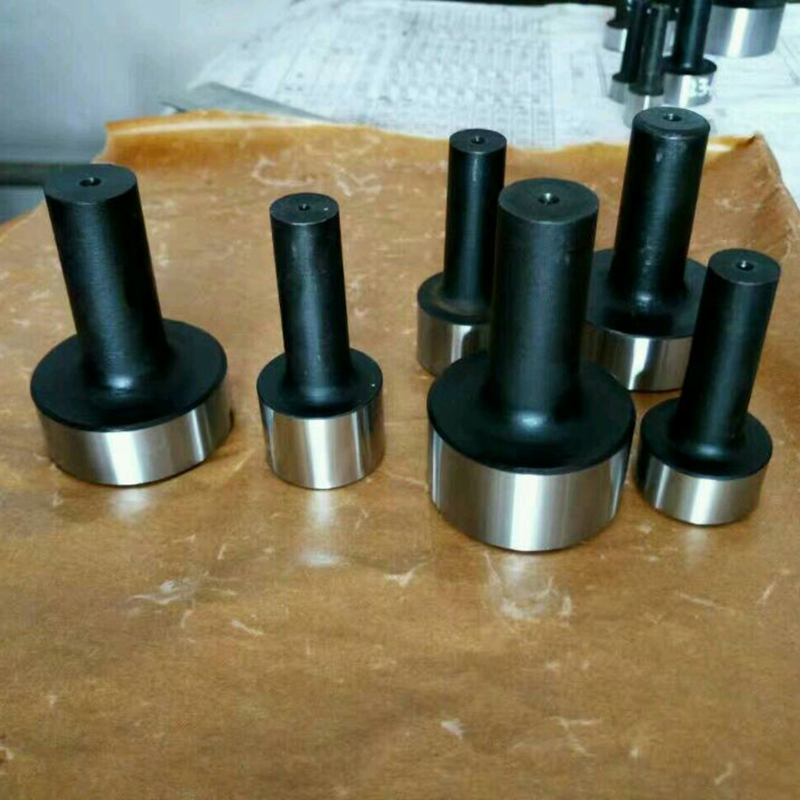
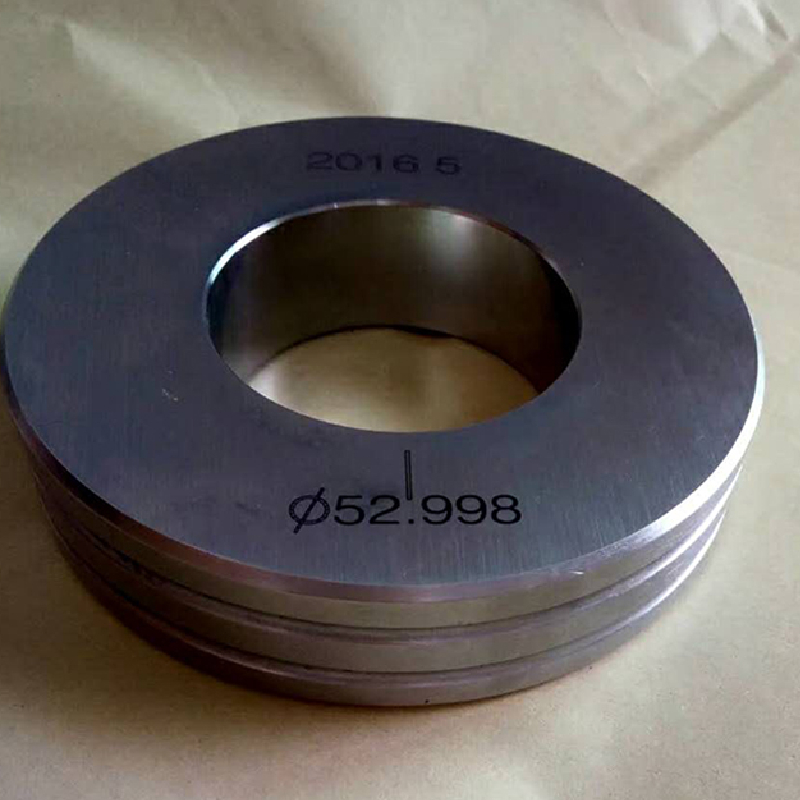
Understanding Micrometer Standards Micrometers are precision instruments used for measuring small dimensions with high accuracy. They play a critical role in fields such as mechanical engineering, manufacturing, and quality control. To ensure that the measurements are dependable and consistent, a micrometer standard is established, which serves as a benchmark for calibration and comparisons. A micrometer standard refers to a specific definition or set of specifications that the micrometer must adhere to in order to provide accurate measurements. This includes details about the material, construction, and operating principles of the micrometer . Typically, micrometer standards are developed by national and international organizations such as the International Organization for Standardization (ISO) or the American National Standards Institute (ANSI). One of the key aspects of micrometer standards is the requirement for traceability. Each micrometer should be traceable to national or international measurement standards, ensuring that the measurements taken can be compared to agreed-upon values. This traceability increases the credibility and reliability of the measurements, providing confidence to users across various industries. micrometer standard Calibration is another essential component of adhering to micrometer standards. Regular calibration against standard measurement devices prevents inaccuracies due to wear and tear or environmental factors. Calibration intervals depend on usage frequency and the precision required for specific applications. Moreover, micrometers can have various designs, including outside micrometers, inside micrometers, and depth micrometers, each serving a unique purpose. Standardization ensures that despite these variations, all micrometers provide reliable and consistent measurements. It also facilitates international trade, as manufacturers can market their products knowing they meet established standards. In summary, micrometer standards are essential for ensuring measurement accuracy in various applications. They define the characteristics and calibration requirements for micrometers, promoting consistency and reliability. By adhering to these standards, manufacturers and engineers can guarantee that their products meet the necessary quality and precision specifications, ensuring safety and efficiency in their respective fields.
about
led bathroom mirror manufacturer
Precision Granite Master Square The Benchmark of Accuracy in Metalworking In the realm of precision measurement tools, few items are as essential as the granite master square. The precision granite master square is a highly regarded instrument in metalworking and machining, revered for its accuracy and reliability. This tool serves as a cornerstone for ensuring that parts and assemblies meet stringent tolerances, making it indispensable in fields ranging from engineering to woodworking. Understanding the Granite Master Square At its core, the granite master square is a L-shaped tool made from high-quality granite. The choice of granite as the material stems from its unique properties it is dense, stable, and resistant to wear and deformation. Unlike metal squares that can warp or lose their edges over time, a granite master square maintains its precision across years of use. This stability is crucial for achieving consistent and accurate results, especially in environments where temperature variations and heavy usage might compromise other measurement tools. Design and Features A typical precision granite master square includes two arms that meet at a right angle. Each arm is meticulously ground and polished to create a flat surface that is uniform and devoid of imperfections. The edges are crafted to be sharp and true, allowing for accurate height measurements and alignment checks . The surface finish of a granite master square is pivotal; the finer the finish, the more accurate the reading. Many granite master squares come with engraved calibration markings. These markings assist professionals not only in making accurate measurements but also in quickly assessing the dimensions of workpieces. The clear visibility of these markings is crucial during detailed work where precision is paramount. Applications in Metalworking precision granite master square The granite master square has a variety of applications in the metalworking industry. It is often used for setting up machinery, checking squareness in machining operations, and verifying the accuracy of manufactured parts. For instance, when fabricating a new component, a machinist can use the granite master square to ensure that the corners of the piece are perfectly square. This verification step helps prevent problems down the line, such as misalignment or difficulties during assembly. Another critical use of the granite master square is in quality control processes. Inspectors rely on this tool to measure critical dimensions and geometrical features of parts. By ensuring that components adhere to required specifications, manufacturers can maintain high standards and reduce waste caused by defective parts. Benefits of Using a Granite Master Square One of the most significant advantages of using a precision granite master square is its accuracy. For many metalworkers, even a small deviation can lead to catastrophic failures in assembly or function. The granite master square provides the level of precision necessary to avoid such outcomes. Additionally, its robust nature means that it can withstand the rigors of a machine shop environment without losing its measuring properties. Moreover, granite master squares are relatively low maintenance compared to other measuring tools. They do not require recalibration as frequently as dial indicators or other electronic devices, making them a cost-effective choice for workshops looking to maintain a high level of efficiency. The non-porous surface of granite also makes it resistant to oil and contaminants, which is particularly advantageous in environments where exposure to substances could affect measurement integrity. Conclusion In conclusion, the precision granite master square stands as a symbol of accuracy and reliability in the metalworking industry. Its stable properties, precision manufacturing, and multifaceted applications make it an essential tool for both machinists and quality control inspectors. Investing in a high-quality granite master square is not just about acquiring a measuring tool; it's about ensuring the success of precision work and upholding standards of excellence. As the demand for precision in manufacturing continues to grow, the granite master square remains a fundamental instrument, quietly enabling the creation of high-quality parts and products that define the modern industrial landscape.
-

High quality industrial productsagement

High quality industrial products
View Details -

Meet the diverse needs of customers

Meet the diverse needs of customers
View Details -

Strict quality control

Strict quality control
View Details -

Top raw materials

Top raw materials
View Details -

Trusted supplier

Trusted supplier
View Details
Our application
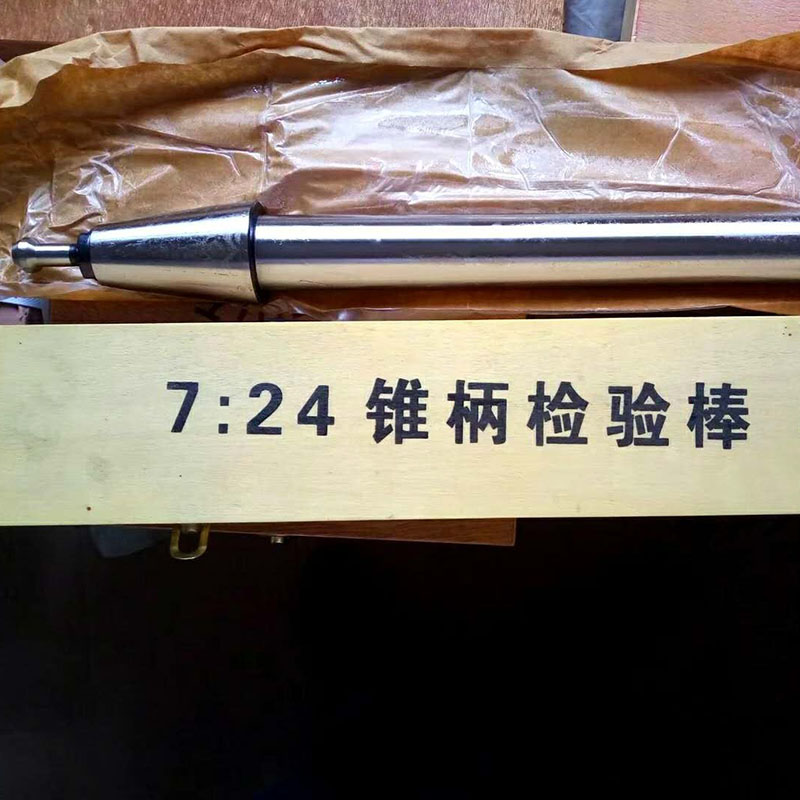
news and information

What Is the Difference Between Y Type Strainer and Basket Type Strainer_
In fluid systems, strainers play a crucial role in ensuring the cleanliness and efficiency of the pr
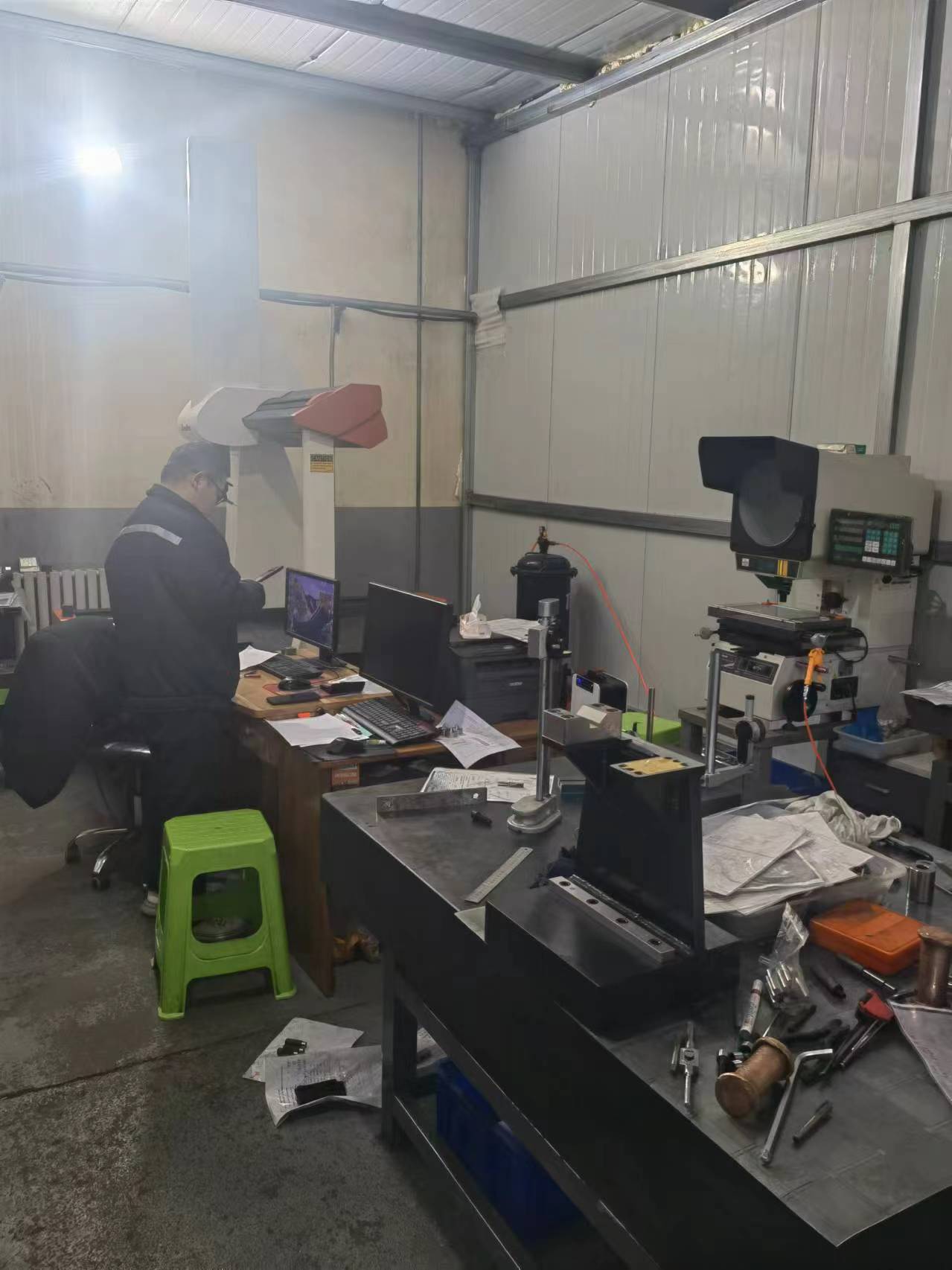
Water Pressure Regulation Valve Efficient Flow Control System
Understanding Water Pressure Control Valves A Key Component in Efficient Plumbing Systems In the in

water cut off valve
Understanding Water Cut Off Valves Essential Components for Effective Water Management Water cut off
 English